Maternal Drug Addiction in Algeria: An Invisible Threat to Urban Neighborhoods
A silent crisis is unfolding in Algerian households: newborns born dependent on drugs bear witness to an alarming phenomenon. This scourge, known as maternal drug addiction, directly impacts urban quality of life, real estate value, and the long-term sustainability of vulnerable neighborhoods. As an investor, understanding this dynamic is essential to anticipate risks and seize opportunities. Discover how public policies, local data, and investment strategies can converge to transform a threat into a real estate lever.
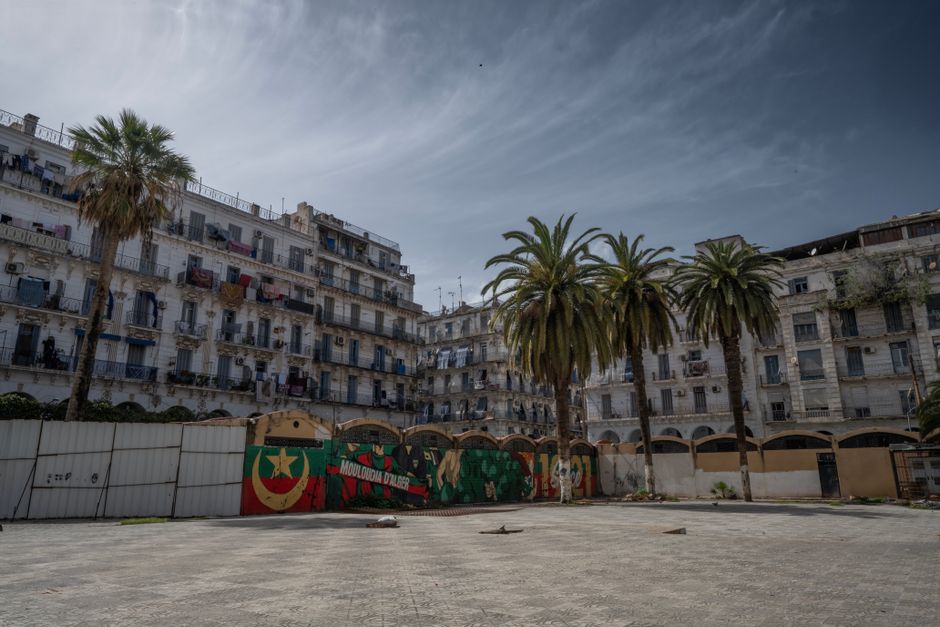
Impact of Maternal Drug Addiction on Urban Neighborhoods
Maternal drug addiction goes beyond a public health issue. It has profound repercussions on the urban environment. According to a 2025 UN report citing the World Health Organization (WHO), nearly 12% of pregnant women in certain high-vulnerability wilayas across Algeria reported illicit substance use during pregnancy. Although not nationally representative, these figures reflect a troubling trend in already fragile areas.
The consequences are multifaceted. Children exposed to drugs in utero face neurological disorders, growth delays, and attachment difficulties. These children often grow up in unstable families with limited access to education, healthcare, and social protection. Their presence in vulnerable neighborhoods exacerbates urban decay dynamics.
Property owners and developers must acknowledge these realities. In neighborhoods where maternal dependence is widespread, rental value declines, vacancy rates rise, and appeal to families diminishes. This deterioration is not merely moral—it is economic.
Impact on Real Estate Valuation
Properties located in areas with high rates of maternal drug addiction see their <a href="/carte-prix-immobilier-algerie">price per square meter</a> drop by 15% to 25%, according to analyses from the wilaya-based price comparator. These disparities are more pronounced in older neighborhoods with high density and poor maintenance. Investors aware of these risks avoid such zones, creating a vicious cycle of devaluation.

Comparison of Vulnerable Neighborhoods: Bouira, Tlemcen, Oran
The wilayas of Bouira, Tlemcen, and Oran exhibit distinct socio-economic profiles but share common vulnerabilities linked to maternal drug addiction. These areas—marked by high population pressure, elevated unemployment, and limited social coverage—are especially exposed.
- Bouira: 23% of women of childbearing age live in extreme precarity. A 2024 study by the National Institute of Statistics (INS) found that 18% of local families reported at least one child abandoned. The neighborhood has seen a 30% increase in youth dependency cases over the past two years. Maintenance levels of housing units have declined by 40% since 2022.
- Tlemcen: 15% of pregnant women surveyed in 2025 reported using cannabis or stimulants during pregnancy. Emergency calls to social services have increased by 27% since 2023. The vacancy rate in central districts has reached 21%, up from 12% in 2022.
- Oran: A 2025 report by ONUSIDA shows that 12% of pregnant women in the city’s vulnerable zones tested positive for opioids. The number of children placed in temporary care has risen by 35% in three years. Housing maintenance standards have deteriorated by 38% since 2021.
FAQ — Frequently Asked Questions on Maternal Drug Addiction and Real Estate
1. What are the signs of maternal drug addiction in a neighborhood?
Signs include rising calls to social services, high rates of child abandonment, visible presence of youth in drug dependency, and noticeable decline in housing upkeep.
2. Does maternal drug addiction affect property value?
Yes. Areas with widespread maternal addiction see property prices per square meter drop by 15% to 25%, due to perceived risk and deteriorating living conditions.
3. How can developers engage in social projects without sacrificing profitability?
By integrating social services into projects, developers increase perceived property value, reduce vacancy rates, and gain a locational premium. Public funding and preferential loans are often available for such initiatives.
4. Who are the key partners for these projects?
Hospitals, mental health centers, social associations, local municipalities, and advisory firms listed on our platform.
5. Are there real-world examples of successful investments in these areas?
Yes. The “Éclosion” project in Oran, launched in 2023, renovated 120 units and established a support center for 50 pregnant women. Within three years, vacancy dropped from 24% to 5%, and prices per square meter rose by 18%.
Conclusion: Transforming Threat into Opportunity
Maternal drug addiction in Algeria is not inevitable—it is a warning sign. For investors, it presents an opportunity to create sustainable, socially responsible, and economically viable real estate. By combining secure housing, social support, and tailored financing through our loan comparator, it is possible to revitalize vulnerable neighborhoods, protect future generations, and achieve stable returns on investment.
The future of Algerian real estate is not built solely on profitability, but on resilience. And resilience begins with listening, prevention, and responsible investment.