Real Estate Fire Risk: High-Risk Zones in Algeria and Their Impact on Land Value in Bejaïa
At the end of August 2026, devastating forest fires struck the eastern part of Bejaïa Province, resulting in the death of one man, Youcef Khodja Salim, who passed away at the Zéralda National Burn Center. This tragedy, among the worst of the year, highlighted a systemic risk for real estate in peri-urban areas. As temperatures rise and droughts intensify, understanding real estate fire risk has become a strategic priority for every investor in Algeria. Discover how high-risk zones across Algeria affect land valuation—especially in Bejaïa—and learn how to invest with confidence using our risk analysis tools. Explore our real estate risk map to precisely assess exposed areas.
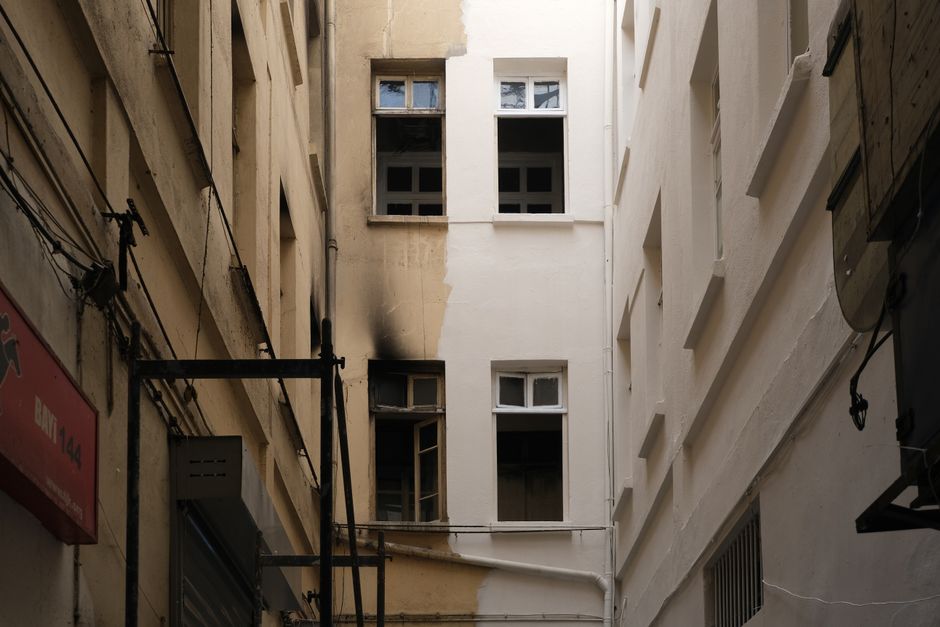
Real Estate Fire Risk: A Matter of Safety and Value
Forest fires in Algeria are no longer isolated events. In 2026, wildfires affected several provinces, including Bejaïa, Jijel, and Darguina, causing fatalities, massive destruction over dozens of square kilometers, and direct impacts on real estate. According to data from the National Office for Civil Security (ONSC), nearly 120,000 hectares were burned annually between 2010 and 2025, with a 32% increase in major fires between 2020 and 2025. This phenomenon aligns with a global climate trend: average temperatures in Algeria have risen by 0.8 °C per decade since 1980, increasing vegetation dryness and fuel accumulation for fires.
Peri-urban zones—often built at the edge of forests—are especially vulnerable. For example, in Bejaïa, neighborhoods such as Taskriout and El-Khroub saw their property prices increase by 18% between 2020 and 2025, despite growing exposure to fire risk. This land value appreciation, driven by proximity to nature, masks a real danger that insurers and notaries are beginning to take seriously.
Impact on Insurance and Liquidity
Since 2024, insurance companies have required risk assessments for properties located within 500 meters of forests. Properties in high-risk zones may be denied coverage or insured at extremely high premiums—up to 2.5 times higher. In Bejaïa’s Taskriout, 38% of properties faced insurance refusal, while only 3% in safer zones like Bouira experienced similar issues.
FAQ — Frequently Asked Questions
What is real estate fire risk in Algeria?
Real estate fire risk refers to the likelihood that a property located in an area highly exposed to forest fires will be damaged or destroyed. This risk is particularly elevated in peri-urban areas of northeastern Algeria, such as Bejaïa, Jijel, and Darguina, where climate conditions and vegetation enable rapid flame spread.
How to evaluate the value of a property in a high-risk zone?
Land valuation in high-risk zones must consider three key factors: distance from the forest, historical fire data, and insurance coverage rates. Properties within 500 meters of forests typically see price reductions of 10% to 20%, even if demand remains strong. Use our Consensus IA Map for accurate evaluation.
Do home insurance policies cover forest fires?
Yes, but under strict conditions. Since 2024, insurers require a formal risk assessment. High-risk properties may be denied coverage or insured at significantly increased premiums (up to 2.5 times higher). Some insurers offer discounts if preventive measures are implemented.
Which areas are the safest for investment in 2026?
The safest investment zones are those located more than 1 km from forests and equipped with firebreaks and protection trails. Communes such as Bouira, Tizi-Ouzou, and Sidi Bel Abbès offer enhanced safety with stable or rising property prices per square meter, despite greater distance from urban centers.
Can you invest in Bejaïa despite the fire risks?
Yes—but with caution. Properties located more than 1 km from forests, or in already secured areas like Bir El Djir, can still offer strong returns. It’s essential to verify insurance conditions, obtain a risk assessment, and compare premiums before investing.

Conclusion: Invest with Full Awareness
Real estate fire risk in Algeria is no longer just a natural hazard—it has become a major economic factor. High-risk zones like Bejaïa, Jijel, and Darguina offer opportunities, but require rigorous analysis. By using tools such as the Consensus IA Map, comparing insurance premiums, and prioritizing secure zones, you can invest confidently—even in the most exposed regions.
Don’t let fear of fires hold you back. Act with intelligence. Analyze your risk today.