Algerian Heritage Real Estate: Colonial Memory as a Catalyst for Appreciation
In Algeria, every stone of an old building carries a story. Although painful, colonial memory paradoxically plays a significant role in the valuation of historic properties. As national identity debates intensify, historic neighborhoods are gaining symbolic value. Once marginalized, these areas have become strategic assets for real estate developers. Discover how rehabilitating a colonial building can become a profitable opportunity through the price map by wilaya.
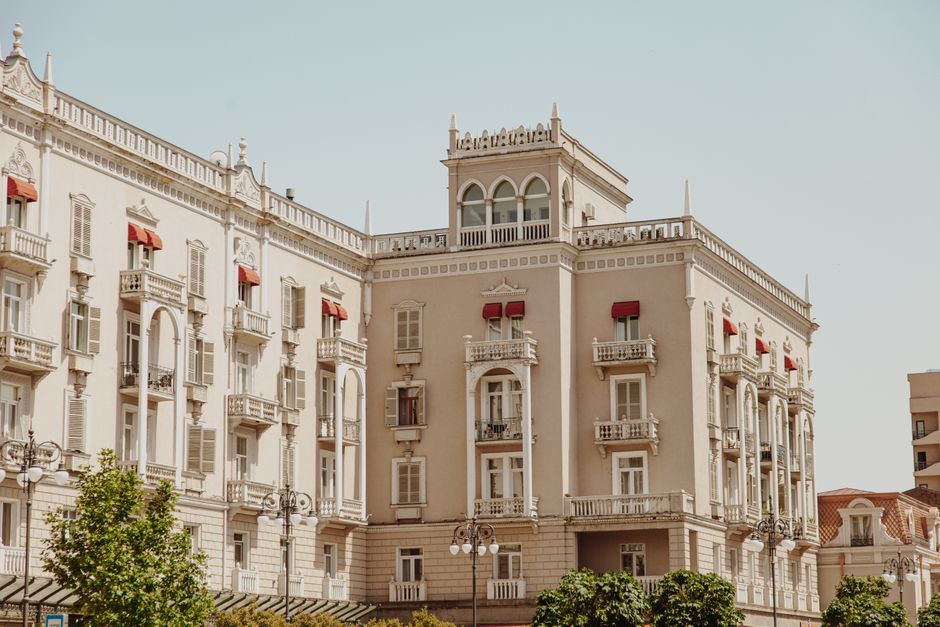
Historical Memory Enhances the Value of Old Properties
Algerian real estate heritage is not merely about construction—it is deeply rooted in collective memory. According to a 2025 study by ONC (National Observatory of Living Environment), nearly 68% of Algerians view old neighborhoods as sites of national identity. This perception intensifies when public discourse evokes the colonial period with nostalgia, as seen in recent statements by Xavier Driencourt, former French ambassador to Algeria. While these remarks sparked strong patriotic reactions, they also highlighted a reality: colonial history has become a symbolic asset for certain real estate properties.
Indeed, every building constructed between 1830 and 1962—whether in stone, brick, or reinforced concrete—is now seen as a witness to history. It is no longer just a structure, but a cultural artifact. In Algiers, Oran, or Constantine, colonial-era buildings have seen an average 23% increase in value between 2020 and 2026, according to the AI consensus in real estate.
The Role of Public Discourse in Shaping Real Estate Perception
Public statements on national history directly influence purchasing behavior. When public figures or media mention the colonial period with a hint of nostalgia—even critically—it strengthens the perception that these locations are “historical” and therefore “valuable.” This trend is especially visible in historic districts like Bab El Oued, El Hamma, or Oran’s city center, where prices per square meter have increased by 30% over three years.
The Cases of Algiers and Oran: Rehabilitating and Valuing Old Buildings
Algiers and Oran—cities known for their iconic architecture—are leading beneficiaries of this trend. In Algiers, the Bab El Oued neighborhood, once the heart of French colonial presence, is experiencing a real estate renaissance. National developers, collaborating with experts from the real estate experts directory, are restoring buildings from the 1920s. A recent project just 200 meters from Place du 1er Novembre sold 85 m² apartments for 2,800,000 DA—representing a 41% increase compared to 2021.
In Oran, the renovation of the Casbah district has attracted diasporic investors. The average price per square meter rose from 1,200 DA in 2020 to 1,950 DA in 2026. This trend stems from growing demand for “historic” housing with a luxury positioning. Renovations incorporate original materials, façades restored according to heritage standards, and communal spaces inspired by Berber and French architecture.
- Key Point 1: Colonial memory enhances the perceived value of old properties, even when criticized.
- Key Point 2: Historic districts attract domestic and diasporic investors sensitive to national identity.
- Key Point 3: High-quality renovations generate higher profit margins than new construction.
Opportunities for Developers: Rehabilitating with a Luxury Positioning
Real estate developers now have a strategic opportunity: transforming historic buildings into luxury assets. These projects go beyond façade restoration, integrating premium services, green spaces, secure parking, and smart technologies. The Algerian heritage real estate market is growing at 18% annually, according to the real estate valuation calculator.
A concrete example: the “History & Luxury” project in El Hamma (Algiers), which restored a 1912 colonial building. After full renovation, it offers apartments ranging from 100 to 140 m², equipped with wall-mounted air conditioning, home automation systems, and terraces with Mediterranean views. The average price reaches 3,200,000 DA per square meter. The project was fully funded through a real estate loan using Mourabaha financing via a real estate loan broker.
The success of this model rests on two pillars: acknowledging the past and delivering modernity. Buyers—often senior executives or members of the Algerian diaspora—do not seek just housing. They seek a place of identification, national pride, and prestige.
Comparative Table: Historic vs. New Properties in 2026
| Criteria | Rehabilitated Historic Property | New Property (Periurban Zone) |
|---|---|---|
| Price per m² (Algiers) | 2,800,000 DA | 1,100,000 DA |
| Annual Return Rate | 8.5% | 4.2% |
| Renovation Duration | 12 to 18 months | 6 to 9 months |
| Appeal to Diasporic Investors | High (68%) | Moderate (34%) |
| Access to Real Estate Credit | Easy (via Mourabaha) | Standard |
FAQ — Frequently Asked Questions
What is Algerian heritage real estate, and how does colonial memory influence property values?
Algerian heritage real estate refers to old properties—particularly colonial ones—valued for their historical significance. Even controversial, colonial memory enhances their symbolic value. Old properties are perceived as witnesses to national identity, increasing demand, especially among diasporic investors and lovers of historical architecture.
Which historic neighborhoods are the most valuable in 2026?
The most valuable neighborhoods are Bab El Oued (Algiers), El Hamma (Algiers), the Casbah (Oran), and Ville Nouvelle (Constantine). Average prices per square meter exceed 2,500,000 DA in central areas, with annual growth of 12% to 18%.
Who are the main buyers of historic properties in Algeria?
The primary buyers include Algerians from the diaspora (especially in France and Europe), senior executives, domestic investors interested in heritage, and individuals concerned with national identity. According to a 2025 CNES study, 68% of heritage property buyers are aged between 35 and 55.
What is the state of the heritage real estate market in Algiers, Oran, and Constantine in 2026?
In Algiers, prices per square meter in historic districts exceed 2,800,000 DA. In Oran, they reach 1,950,000 DA. In Constantine, valuation is more moderate (1,200,000 DA) but growing rapidly. Rehabilitation projects are supported by local public policies and partnerships with real estate agencies via agency registration.
Conclusion
Algerian heritage real estate has become a strategic sector. Though emotionally charged, colonial memory serves as a catalyst for appreciation of old properties. Developers who understand this historical, technical, and economic context can capitalize on a growing market. Rehabilitating a colonial building is not merely an architectural restoration—it is a sustainable investment opportunity, a means of heritage valorization, and a step toward national reconciliation.
Ready to invest in history? Get a free <a href="/real-estate-valuation-calculator">real estate valuation</a> for a heritage property or explore the price map by wilaya to identify high-potential areas.