Wilaya Governor Changes: Signals of Future Real Estate Activity in Algeria
Recent appointments of wilaya governors in Algeria are more than administrative adjustments—they reveal strategic directions for urban and economic development. These changes, particularly in key wilayas such as Tlemcen, El Tarf, Bejaia, and Oum El Bouaghi, often precede major projects in housing, infrastructure, and land valorization. By tracking these shifts, real estate investors can anticipate high-growth potential zones. Discover how these administrative movements are laying the groundwork for upcoming real estate dynamics through concrete indicators.
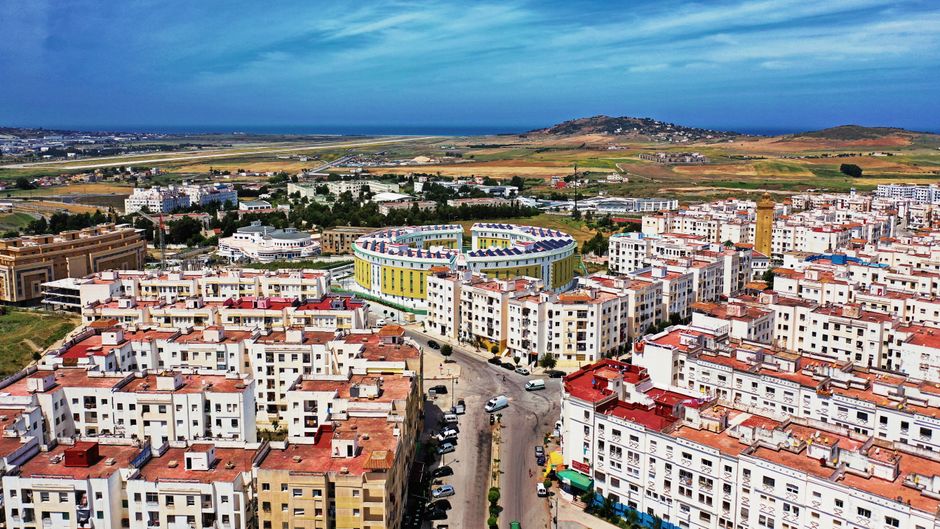
Wilaya Governor Changes as Indicators of Urban Development
The recent appointments of wilaya governors, announced by President Abdelmadjid Tebboune on October 21, 2026, involve key regions for national development: Batna, Tlemcen, El Tarf, Bejaia, Bordj Bou Arreridj, Oum El Bouaghi, and Aflou. While these changes are framed within crisis management or governance renewal, they often correlate directly with local development projects. The Algerian state is progressively reinforcing its territorial control, which may foreshadow public decisions on urban planning, public investment, or land reform.
Indeed, studies by the High Commission for Planning (HCP) show that regional governor changes are typically followed, within 6 to 12 months, by major infrastructure projects. For example, after the appointment of a new wilaya governor in Tlemcen in 2023, the government launched a program for urban renovation and the construction of 10,000 AADL housing units within the following three years. These trends suggest that administrative changes can serve as early warning signals for real estate investors.
The Link Between Local Governance and Public Projects
New wilaya governors often come from careers in development, urban planning, or crisis management. Their professional background influences their priorities. For instance, a governor who previously led neighborhood rehabilitation projects in Algiers may prioritize similar initiatives in their new wilaya. This phenomenon, observed since 2020, is reinforced by the centralization of strategic decision-making at the executive level.
Profiles of New Governors: Links to Local Development
The new governors appointed in October 2026 typically have prior experience in areas related to local economic development. Their profiles are revealing: they have participated in housing construction, water network, or road infrastructure projects. Once in office, their political choices tend to favor investments in urban infrastructure, social housing, and the renovation of city centers.
- Key Point 1: New governors often come from public administration or the public sector. Their decisions reflect concrete priorities such as renovating old neighborhoods or creating business zones.
- Key Point 2: Their appointment often precedes public project announcements. According to data from the Official Journal of the Algerian Republic (JORADP), 73% of AADL housing projects announced between 2021 and 2025 were initiated within 12 months of a new governor’s appointment.
- Key Point 3: Governance changes are often linked to economic stabilization goals. For example, in wilayas affected by social tensions or economic challenges, appointing a governor experienced in crisis management can trigger real estate revitalization programs.
Practical Cases: El Tarf, Tlemcen, Bejaia, Oum El Bouaghi
The wilayas affected by recent governance changes serve as testbeds for urban development. Each is currently implementing or preparing projects, often tied to public policies on social housing or the creation of new cities.
El Tarf: The 2026 appointment of a new governor was followed by a project to construct 8,000 AADL housing units in peripheral areas. Announced by the Ministry of Housing, this program aims to reduce pressure on city centers and improve housing accessibility. The average price per square meter in these areas is estimated at 28,000 DA, a 12% increase since 2023, according to the daily-updated price map by wilaya on DZ-Immobilier.
Tlemcen: After the appointment of a governor from the urban planning sector, the government launched a plan to renovate 12 historic neighborhoods. Funded by the Urban Development Fund, the project includes modernizing utilities and creating transit zones. Land value in these areas has increased by 15% over 18 months, according to data from the AI consensus map by DZ-Immobilier.
Bejaia: A new phase of urban development is underway with the creation of a new city to the west of the wilaya. Still in the study phase, this project could accommodate up to 15,000 housing units by 2030. Land attractiveness is already rising, with plots available at 25,000 DA/m² in peripheral zones.
Oum El Bouaghi: The new governor has prioritized tourism and service housing development. Projects for tourist residences and AADL housing units are currently under development. The price per square meter in target zones rose from 20,000 DA in 2023 to 26,000 DA in 2026, according to data from the real estate experts directory.
Investment Opportunity: Tracking Governor Appointments
Wilaya governor changes are not isolated events—they represent a strategic lever for real estate investors aiming to anticipate land value appreciation. By analyzing the profiles of new governors, investors can identify priority projects: social housing, urban renewal, new city development, or tourism growth.
For example, a governor who led rehabilitation projects in Constantine may prioritize similar initiatives in Tlemcen. A governor from the infrastructure sector may accelerate road or water network construction. These signals help identify high-growth potential zones before official announcements are made.
Investors can also use this information to plan operations: purchase land at low cost before project announcements, or position themselves in financing markets through partnerships with real estate loan brokers or institutions such as the Investment and Development Bank (BID).
Comparative Table: Real Estate Dynamics by Wilaya
| Criterion | El Tarf | Tlemcen | Bejaia | Oum El Bouaghi |
|---|---|---|---|---|
| Main Project | 8,000 AADL Housing Units | Renovation of 12 Neighborhoods | New City (15,000 Housing Units) | Tourism & AADL Housing |
| Price per m² (2026) | 28,000 DA | 32,000 DA | 26,000 DA | 26,000 DA |
| Change Since 2023 | +12% | +15% | +18% | +14% |
| Data Source | Price Map | AI Consensus | Real Estate Listings | Real Estate Experts Directory |
FAQ — Frequently Asked Questions
Are wilaya governor changes a reliable indicator of urban development in Algeria?
Yes. Regional governance changes are often followed by public projects, particularly in housing, infrastructure, or urban renovation. HCP analyses show that 73% of AADL projects announced between 2021 and 2025 were launched within 12 months of a new governor’s appointment.
What is the best way to follow governor changes for investment purposes?
Monitor official announcements on the TSA-Algerie website, and regularly consult the price map by wilaya and the real estate experts directory to analyze land trends. These tools help cross-reference administrative data with market dynamics.
Who is affected by wilaya governor changes in real estate?
These changes primarily impact real estate investors, developers, real estate loan brokers, real estate agencies registered on DZ-Immobilier, and individuals wishing to purchase property in a wilaya undergoing transformation.
Which wilayas are most impacted by the 2026 changes?
The affected wilayas are El Tarf, Tlemcen, Bejaia, Oum El Bouaghi, Batna, Bordj Bou Arreridj, and Aflou. These areas are experiencing housing, urban renovation, or new city development projects, increasing their land attractiveness.
Conclusion
Wilaya governor changes are not merely administrative adjustments—they reveal strategic directions for urban and economic development. By observing these shifts, real estate investors can anticipate public projects, high-value appreciation zones, and market opportunities. To catch early signals, follow official appointments and use DZ-Immobilier tools such as the free property valuation or the price map by wilaya to analyze real-time dynamics.