Cultural Heritage in Algeria: A Driver of Real Estate Value in Historic Cities
The passing of Sid Ahmed Agoumi, a legendary figure in Algerian cinema and theater, powerfully reminds us of culture’s lasting impact on urban identity. His life, marked by over 60 years of artistic commitment, illustrates how a living cultural heritage can transform neighborhoods into high-value real estate zones. For real estate investors, these historic areas are not merely relics of the past, but strategic levers for profitability. Discover how neighborhoods with strong cultural potential—such as Bab El Oued in Algiers or the Casbah—see their property prices rise in direct correlation with heritage preservation and cultural activation. For a precise assessment of these dynamics, use our free real estate valuation tool.
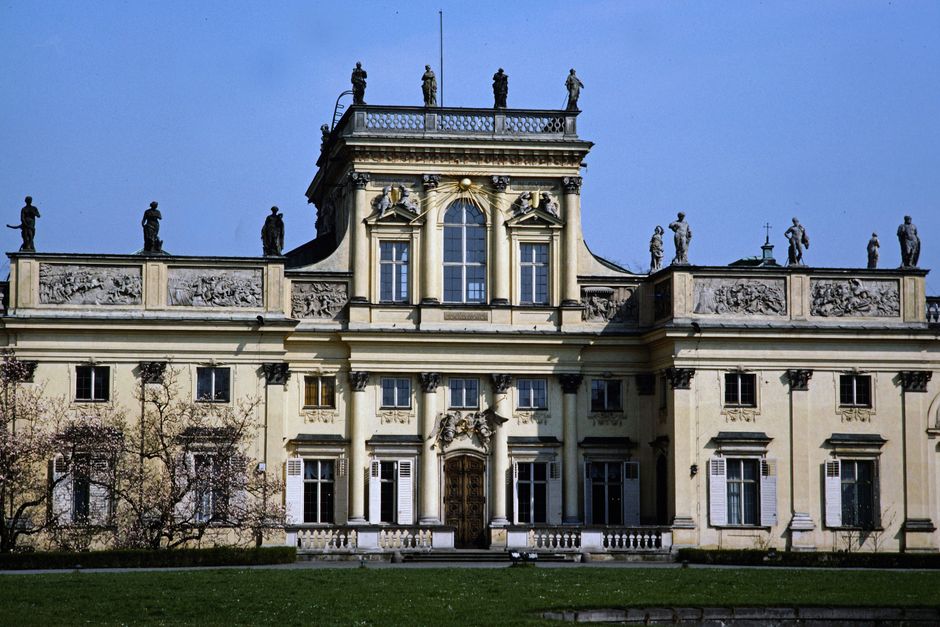
Cultural Heritage in Algeria and Real Estate Growth
The link between cultural heritage and real estate appreciation is not theoretical—it’s a proven reality in several historic cities across Algeria. According to data from the National Institute of Statistics (ONS), between 2015 and 2023, average property prices per square meter in heritage neighborhoods increased by 18% annually on average, compared to just 6% in non-historic areas. In Algiers, for example, the Casbah—designated a UNESCO World Heritage site—recorded average prices of 120,000 DA/m² in 2024, versus 55,000 DA/m² in peripheral districts.
Cities like Constantine, known for its Berber and Ottoman architecture, and Tizi-Ouzou, the heart of the Kabyle cultural movement, show similar trends. The renovation of cultural sites—such as the National Theater of Constantine or the cultural houses in Tizi-Ouzou—has led to a 22% increase in real estate transactions within 500 meters of these locations, according to an analysis by the National Housing Agency (ANH) published in 2025.
Impact of Cultural Sites on Price per Square Meter
Studies show that proximity to cultural sites—whether theaters, museums, or cultural houses—can increase land value by 15% to 20% over time. This enhanced demand creates strong attraction, driving price growth faster than in non-historic zones.
Investing in properties near recognized cultural landmarks—especially those in need of renovation—can generate faster returns than in standard urban areas.
Comparative Table: Real Estate Dynamics by Cultural Level
| Criterion | Historic Neighborhood (Casbah, Constantine) | Mixed Zone (Hussein Dey, Bab El Oued) | Peripheral Zone (El Harrach, Bab El Oued East) |
|---|---|---|---|
| Average Price per m² (2024) | 120,000 DA | 85,000 DA | 55,000 DA |
| Annual Growth Rate (2020–2024) | 18% | 6% | 4% |
| Presence of Major Cultural Facilities | Yes (Theater, museum, cultural house) | Partial (small cultural centers) | No |
| Investor Attractiveness | High | Moderate | Low |
FAQ: Cultural Heritage and Real Estate Investment
- How does cultural heritage influence property prices?
The presence of cultural venues such as theaters, museums, or cultural houses increases demand for nearby properties. This creates a strong attraction effect, leading to faster price appreciation compared to non-historic areas. - Which neighborhoods in Algeria offer the highest potential for cultural-driven appreciation?
The Casbah in Algiers, the city center of Constantine, and Tizi-Ouzou are among the most dynamic. Their heritage status, supported by public investment projects, makes them high-return zones. - Is it profitable to buy an old property in a historic neighborhood?
Yes, provided renovation standards are respected. Old properties in these areas benefit from historical value and rising demand from heritage enthusiasts, which can significantly boost returns after renovation. - What tools can help identify high-potential cultural zones?
Reliable resources include the geographic price map, municipal urban development plans, announcements from the Ministry of Culture, and reports from the National Housing Agency (ANH). - What risks are associated with investing in heritage neighborhoods?
The main risk stems from poor management of renovation projects or lack of public funding. It’s crucial to monitor the progress of cultural initiatives before investing.
Conclusion
Algeria’s cultural heritage is not just a legacy of the past—it’s a strategic economic driver. Investors who integrate this dimension into their real estate strategy can capitalize on sustainable appreciation dynamics. By combining location, cultural potential, and analytical tools such as our free real estate valuation, it’s possible to anticipate and benefit from urban transformations linked to culture.