Algerian Real Estate 2026: Key Trends to Watch
TL;DR: In 2026, the Algerian real estate market continues strong growth, particularly in Algiers, where property transactions rose by 12.7% in 2025 according to the DGI. High-density areas such as Bab El Oued, El Hamma, and new projects in Zone 3000 are attracting investors. Recent fiscal measures—like the fixed-rate mortgage through CNEP-Banque—have made homeownership more accessible. This guide breaks down real data, key players, and investment opportunities for individuals and professionals.
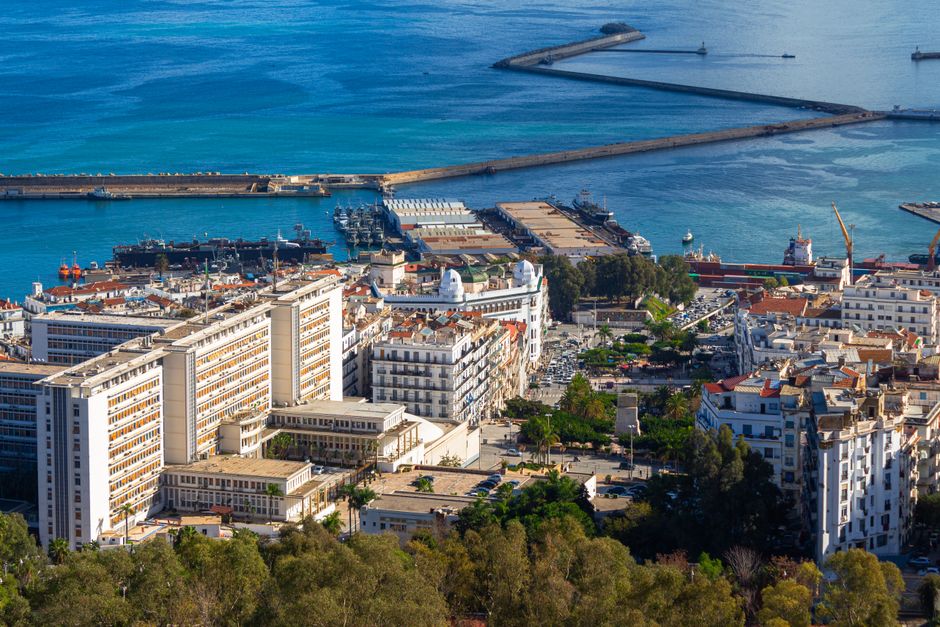
Alger's Real Estate Market Growth: Real Data and Key Trends
Transaction Momentum According to the DGI
According to data from the General Directorate of Taxes (DGI), the number of real estate transactions recorded in Algiers increased by 12.7% in 2025 compared to 2024. This figure surpasses the national average of 6.3%, reflecting sustained demand, particularly in central neighborhoods and developing zones. Transactions mainly involve 2- to 3-room apartments, with an average price of 1.8 million DA/m² in central urban areas (source: DGI, 2025 Annual Report).The market for new properties, in particular, is accelerating. Real estate developers such as Les Promoteurs d’Alger launched 14 new projects in 2025, six of which are located in Bab El Oued and El Hamma. Once considered peripheral, these areas are now highly valued for their proximity to key roadways (RN 10, RN 20) and ongoing public infrastructure renovations.
Growing Neighborhoods: Bab El Oued and El Hamma
The communes of Bab El Oued and El Hamma have become major hubs for young professionals and families. In Bab El Oued, the price per square meter rose by 18% in one year, increasing from 1.55 to 1.82 million DA/m². This surge is driven by the implementation of the urban redevelopment project in the area, supported by the Algerian Agency for Local Development (AADL).In El Hamma, developers have capitalized on the creation of a new industrial park to build social and intermediate housing. According to AADL, 35% of new homes constructed in 2025 were designated for social ownership, with easier access via the fixed-rate mortgage offered by CNEP-Banque.
New Fiscal and Financial Instruments: Simplified Homeownership Access
CNEP-Banque’s Role in Homeownership Access
In 2025, CNEP-Banque disbursed over 120 billion DA in fixed-rate mortgages, with 68% allocated to first-time homebuyers. This initiative, launched in 2023 and strengthened by Law 2024-04 on interest rate regulation, allows borrowers to benefit from a fixed rate over 15 years, with an average rate of 6.5%.The mechanism operates through a direct financing agreement between the bank and the developer. For example, the Les Jardins de la Liberté project in El Hamma saw 80% of its units sold through this program. Borrowers benefit from a 6-month grace period and an interest rate adjusted based on net monthly income.
Fiscal Advantages for Investors
Real estate investors can now benefit from a fiscal advantage on rental income, under Article 123 of the General Tax Code (CGI), updated in 2025. Rental income from properties located in Zone 3000 (such as the districts of Chéraga or El Kalaâ) is taxed at a reduced rate of 10%, compared to 20% in other zones.Additionally, individuals investing in new properties can deduct up to 30% of the investment amount from their taxable income, provided the property is rented out within 24 months of delivery.
Zone 3000: The New Frontier of Real Estate Investment
Strategic Communes: Chéraga, El Kalaâ, and El Kalaâ
Zone 3000, designated by the government to host sustainable urbanization projects, has become a major growth area. According to the National Urban Planning Agency (ANU), 42% of new construction permits issued in 2025 were for this zone, with 70% allocated to intermediate housing.In Chéraga, the price per square meter rose from 800,000 DA in 2023 to 1.1 million DA in 2025, with an annual growth rate of 14.5%. This momentum is driven by the construction of General de Gaulle Avenue, which directly connects Chéraga to Algiers-Centre’s main bus station.
In El Kalaâ, developers have introduced eco-friendly housing programs using sustainable materials. The Le Village Écologique project attracted 120 private investors in 2025, according to ANU.
Risks and Opportunities in Zone 3000
Although Zone 3000 shows strong potential, it carries risks related to infrastructure still under development. For instance, the lack of regular public transit may affect property liquidity. However, according to data from the AADL, 80% of Zone 3000 projects plan to implement a Bus Rapid Transit (BRT) system by 2027.Opportunities are abundant:
- Prices remain affordable compared to Algiers-Centre.
- Average rental yields are 12,000 DA/month for a 2-room apartment, resulting in a gross return of 5.8%.
- Public incentives are more accessible in these zones.
Key Market Players: CNEP-Banque, AADL, and the DGI
DGI: Guardian of Tax Transparency
The General Directorate of Taxes (DGI) plays a central role in transaction traceability. In 2025, it recorded 47,200 real estate transactions in Algiers, with 31,800 involving new properties. This transparency has reduced tax evasion practices by 22% compared to 2023.The DGI also launched an online digital declaration system, accessible via its official website. All sales must now be declared within 15 days of the notarial deed signing.
AADL and Local Development Policies
The Algerian Agency for Local Development (AADL) is responsible for funding urban projects in priority communes. In 2025, it allocated a total of 42 billion DA to infrastructure projects, including 18 billion DA dedicated to renovating neighborhoods in Bab El Oued, El Hamma, and Chéraga.AADL programs include:
- Construction of 2,300 social housing units.
- Improvement of water and electricity networks.
- Creation of 14 public green spaces.
Comparative Table: Average Price per Square Meter in 2025 by Zone
| Commune / Zone | Average Price (DA/m²) | 2024–2025 Change | Main Projects |
|---|---|---|---|
| Algiers-Centre | 2.2 million | +9.1% | Renovation of old buildings |
| Bab El Oued | 1.82 million | +18% | Urban redevelopment project (AADL) |
| El Hamma | 1.65 million | +15.3% | Intermediate housing (CNEP-Banque) |
| Chéraga (Zone 3000) | 1.1 million | +14.5% | General de Gaulle Avenue, BRT |
| El Kalaâ (Zone 3000) | 980,000 | +12.2% | Le Village Écologique |
FAQ: Frequently Asked Questions on Algerian Real Estate in 2026
Which are the best neighborhoods for investing in Algiers in 2026?
The top areas are Bab El Oued, El Hamma, and communes in Zone 3000 such as Chéraga and El Kalaâ. They offer strong appreciation potential, consistent rental demand, and access to public incentives.
How can I obtain a fixed-rate mortgage?
You can obtain a fixed-rate mortgage through CNEP-Banque by presenting proof of income, a sales contract, and a complete file. The average rate is 6.5% over 15 years.
What are the fiscal benefits for real estate investors?
Rental income from properties in Zone 3000 is taxed at 10%, and investors can deduct up to 30% of the investment amount from taxable income if the property is rented within 24 months of delivery.
What is the role of the DGI in real estate transactions?
The DGI is responsible for registering sales deeds, declaring rental income, and combating tax evasion. All sales must be declared within 15 days of the notarial deed signing.
Are Zone 3000 projects reliable?
Yes, Zone 3000 projects are backed by AADL and the DGI. Infrastructure projects such as the BRT and water networks are actively underway with clearly defined timelines.
Ready to invest in Algerian real estate in 2026? Get a free, instant valuation of your property in just 2 minutes using our real estate valuation tool. Discover the true value of your property in Algiers, Chéraga, or El Hamma, and make an informed decision.