Jijel Reconstruction: Real Estate Opportunity on Burnt Lands
The wildfires at the end of August 2026 devastated entire neighborhoods in Djemaa Beni Hbibi, leaving behind landscapes of ash and thousands of families without shelter. While this tragedy is deeply distressing, it opens a strategic window for responsible real estate developers. In Jijel, post-fire reconstruction is becoming a lever for sustainable urban transformation. Discover how to leverage burnt lands with fire-resistant standards, environmental certifications, and renewed urban planning. Explore the <a href="/carte-prix-immobilier-algerie">price map</a> by wilaya to identify high-potential recovery zones.
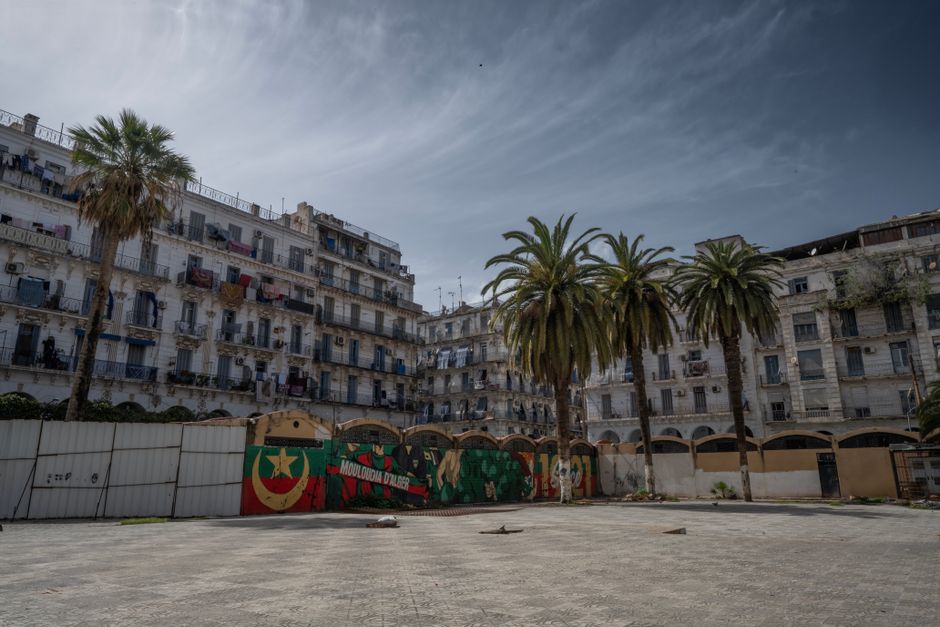
Jijel Reconstruction: Opportunities on Burnt Lands
In August 2026, wildfires in Jijel destroyed over 1,200 housing units in the commune of Djemaa Beni Hbibi, according to data from the Ministry of the Interior. Over 85% of homes in this neighborhood were completely destroyed, according to an estimate by the Wilaya Council. These events triggered a mass exodus: nearly 6,000 people were displaced to temporary shelters in Jijel city and Tlemcen.
The government has released an emergency fund of 45 billion DA for compensation and reconstruction. This fund, managed by the Ministry of Housing and Urbanism, is allocated to direct aid for victims, renovation of public infrastructure, and financing of reconstruction projects. According to the **2027–2030 Recovery Plan**, 32% of the budget will be dedicated to rehabilitating affected areas, with priority given to neighborhoods with high climate risk.
These figures reveal a clear reality: burnt lands are not losses, but opportunities for restructuring. Responsible real estate developers can seize this moment to design resilient projects compliant with new fire safety standards and environmental requirements.
Burnt Zone: A Chance for Urban Innovation
The devastated areas in Djemaa Beni Hbibi offer a blank slate for urban renewal aligned with resilient city models. The state now requires that all new projects on these lands meet fire-resistant construction standards (NF-132), including non-flammable materials and 10-meter clearances between buildings. While stringent, these requirements create a competitive advantage for developers who proactively address risks.
Post-Fire Reconstruction: Real-World Example in Djemaa Beni Hbibi
The Djemaa Beni Hbibi neighborhood, located 12 km south of Jijel city, was a densely populated rural area with a density of 1,200 residents per square kilometer. The fires left this area largely uninhabitable. The reconstruction plan includes mixed-use developments integrating residential, green spaces, and sustainable infrastructure.
The new urban design emphasizes fire resilience through non-flammable materials, wider road networks for emergency access, and integrated green corridors to reduce fire spread. Public amenities such as schools, healthcare centers, and community hubs are prioritized in the layout to ensure social cohesion and long-term sustainability.
Comparison Table: Reconstruction Projects in Jijel
| Criterion | Project 1: Green District | Project 2: Resilience City |
|---|---|---|
| Area | 12 ha | 8 ha |
| Housing Units | 600 | 450 |
| Non-Flammable Materials | Yes (100%) | Yes (92%) |
| Environmental Certification | BREEAM (in progress) | HQE (planned) |
| Funding | Bank loan + public fund | Mourabaha + private investors |
FAQ — Frequently Asked Questions
What real estate opportunities exist after a disaster like the Jijel wildfires?
The Jijel wildfires have left large areas of land in need of reconstruction, creating significant opportunities for responsible real estate developers. With public subsidies, strengthened fire safety standards, and high-value projects, these zones are becoming strategic locations for sustainable investment.
What construction standards are required for reconstruction in Jijel?
All projects must comply with the NF-132 standard: non-flammable materials, 10-meter clearances between buildings, mandatory fire alarm systems, and integration of automatic irrigation networks. These standards are enforced by the Ministry of Housing.
Who can invest in Jijel’s reconstruction?
Any real estate developer, construction company, or real estate agency with official accreditation may participate. Projects must be submitted to the National Reconstruction Agency (ANR), which evaluates feasibility, environmental impact, and compliance with regulations.
How can a reconstruction project in Jijel be financed?
Multiple financing options are available: bank loans, participatory financing (Mourabaha), public grants, public-private partnerships, or investment from real estate funds. Consult our credit brokerage service for full guidance and support.
Are there incentives for real estate developers in affected areas?
Yes. The government offers a 15% tax rebate on permit fees, five years of property tax exemptions, and low-interest loans for sustainable projects. Projects certified under BREEAM or HQE receive additional incentives and priority funding.
Join Sustainable Reconstruction in Jijel
Rebuilding after the Jijel fires is not just about repair—it’s an opportunity to reimagine urban life. Responsible real estate developers can play a pivotal role by designing resilient, sustainable, and inclusive projects. Explore our terrain analysis tools and contact our expert team to launch your project today.
The city of tomorrow is being built today—with standards, innovation, and a responsible vision. The burnt lands of Jijel are ready to welcome the future.