Sahara Real Estate: Climate Risk and Investment Opportunities in the South
Recent torrential rains in southern Algerian wilayas are testing the sustainability of residential and tourist real estate projects. As the tourism season peaks, these extreme weather conditions raise critical questions for investors. Discover how Algerian climate risk influences real estate dynamics in the Sahara, and how to identify underdeveloped opportunities through precise analysis of high-potential zones. To understand current property prices, consult our <a href="/carte-prix-immobilier-algerie">price map</a> by wilaya.
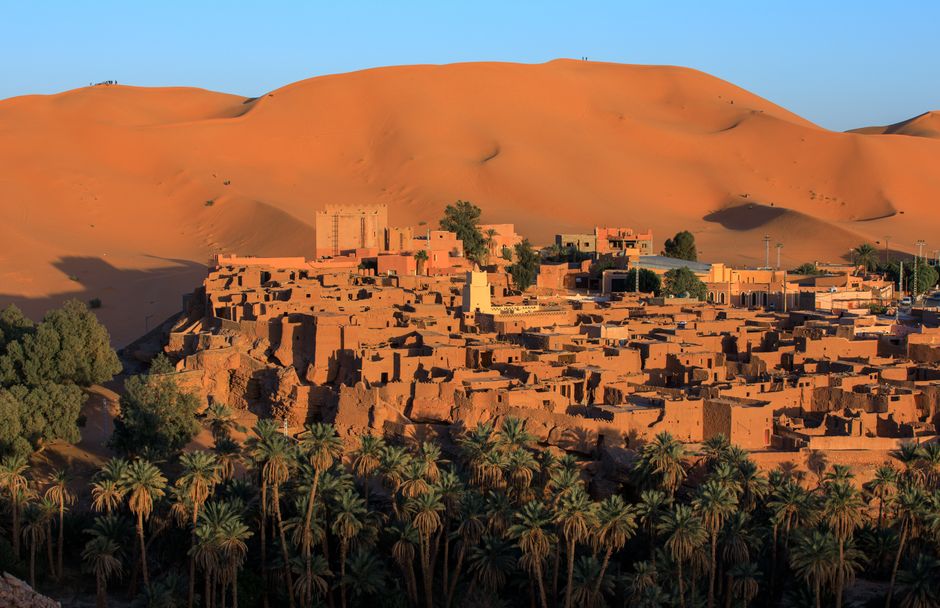
Heavy Rainfall: Threats to Southern Accessibility
In October 2026, the National Meteorological Office issued a rainfall alert for several southern wilayas, including Béchar, Tamanrasset, Ouargla, and Adrar. Precipitation levels reaching up to 50 mm within 24 hours were recorded, triggering local floods, landslides, and disruptions on national roads. These rare but increasingly frequent events directly impact access to remote desert areas.
Road infrastructure, often built on poorly draining soils, is particularly vulnerable. According to the ons.dz" rel="nofollow">National Statistical Office (ONS) website, nearly 70% of secondary roads in the south are not designed to withstand rainfall exceeding 30 mm/24h. This structural weakness undermines the viability of real estate projects, especially those intended for tourism or permanent habitation.
Impact on Ongoing Real Estate Projects
Investors who acquired land in high-risk zones must now assess repair costs, foundation reinforcement, and drainage requirements. Luxury hotel projects or eco-friendly villages already under construction have experienced delivery delays. Climate resilience is no longer optional—it’s a fundamental requirement.
Comparison: High-Risk Zones vs. Strategic Investment Areas
The Algerian Sahara is not a homogeneous region. Some wilayas offer significant tourism potential despite climate risks. Analyzing 2026 data reveals a clear contrast between exposed areas and those benefiting from better natural conditions or protected infrastructure.
- Tamanrasset: Despite being in a high-rainfall zone, it attracts tourists for its archaeological sites (Aïr, Tassili). However, main roads are prone to disruptions. Investments must include drainage systems and alternative access routes.
- Ouargla: This wilaya benefits from a more structured road network and a more stable climate. It has become a preferred destination for adventure tourism. Property prices are rising but remain attractive compared to coastal areas.
- Adrar: Despite intense rainfall, real estate projects are scarce. Yet, the region boasts major cultural sites (Tindouf, Tamanrasset). Lack of adequate infrastructure hinders investment, but opens opportunities for forward-thinking actors.
Practical Advice for Safe Investment
Investing in southern Algeria’s real estate requires a rigorous approach. High climate-risk zones should not be avoided but carefully evaluated. Here are three key levers to reduce risks:
- Choose areas with protected infrastructure: Look for properties near fully paved roads with secure transportation access points.
- Evaluate project resilience: Verify that construction plans include drainage systems, reinforced foundations, and climate-adapted materials.
- Consult updated data: Use DZ-Immobilier’s AI consensus map to analyze real-time climate and real estate trends (based on public data).
Comparison Table: Investment Opportunities in the South (2026)
| Criterion | Tamanrasset | Ouargla | Adrar |
|---|---|---|---|
| Average annual precipitation (mm) | 60–80 | 40–50 | 50–65 |
| Secure road access | Partial (flood risk) | High | Limited |
| Price per m² (tourist zone) | 12,000 DA | 15,000 DA | 9,000 DA |
| Tourism potential | High | High | High |
| Infrastructure resilience | Moderate | High | Low |
FAQ — Frequently Asked Questions on Real Estate in Southern Algeria
What is the impact of torrential rains on Sahara real estate?
Heavy rainfall compromises access to southern regions, damages road infrastructure, and increases maintenance costs. Real estate projects must integrate climate resilience measures to remain viable. Investment remains possible but requires precise risk assessment.
Which southern wilayas are the safest for investing in 2026?
Ouargla stands out due to its stable climate, more developed road network, and growing tourism demand. Tamanrasset offers high potential despite risks, but requires resilience investments. Adrar remains underexploited, offering attractive prices for strategic projects.
Who can invest in southern Algeria’s real estate?
Anyone interested in tourism, sustainable housing, or eco-friendly projects can invest. Individuals, real estate companies, and international partners are invited to explore available offers via our real estate listings marketplace.
Do rains affect property prices in Algiers, Oran, or Constantine?
No. Torrential rains in the south have no direct impact on property prices in coastal cities like Algiers, Oran, or Constantine. These areas face different climate risks (urban flooding, thunderstorms). To compare prices by wilaya, consult our real estate price map by wilaya.
Conclusion
Southern Algeria’s real estate, despite increasing climate risks, remains a strategic opportunity for informed investors. Torrential rains should not deter action but encourage rigorous planning. By prioritizing areas with higher resilience and using reliable analytical tools, it’s possible to identify underperforming properties with high potential. To find the best opportunities, explore our southern Algeria price map and discover available land through our listing platform.